Future of Employee Perks: Unconventional Benefits in 2026

Anúncios
Latest developments on Employee Perks show a split U.S. benefits market: employers are expanding personalised wellness, mental health, flexible work, financial coaching and AI-driven benefits tools, while some companies are also trimming costly perks due to rising healthcare expenses and budget pressure. SHRM notes that cost efficiency is now central, but benefits tied to wellness, preventive care and family support remain important priorities.
The shift matters because perks are no longer viewed as extras; they influence retention, recruitment, productivity and employer branding. Workers increasingly expect benefits that match real-life needs, including flexibility, caregiving support, mental health access, financial wellness and professional development.
What to watch next: healthcare cost increases, paid leave policies, hybrid-work rules, AI-based benefits administration, mental health coverage and whether employers continue cutting or redesigning perks in 2026. Recent reports show some major companies have reduced valued benefits, making transparency and employee communication key issues for HR leaders.
Anúncios
Redefining Work-Life Integration for the Modern Workforce
The traditional separation between work and personal life has blurred, prompting employers to offer benefits that support a more integrated lifestyle. This means moving beyond simple vacation days to provide resources that genuinely enhance daily living and personal growth.
Companies are now focusing on benefits that acknowledge the interconnectedness of professional success and personal well-being. These offerings aim to reduce stress, foster personal development, and create a more sustainable work rhythm for employees across all levels.
The goal is to create a symbiotic relationship where employees feel valued and supported, leading to increased loyalty, productivity, and overall job satisfaction. This strategic investment in employee well-being is yielding significant returns for forward-thinking organizations.
Anúncios
Personalized Wellness Programs Take Center Stage
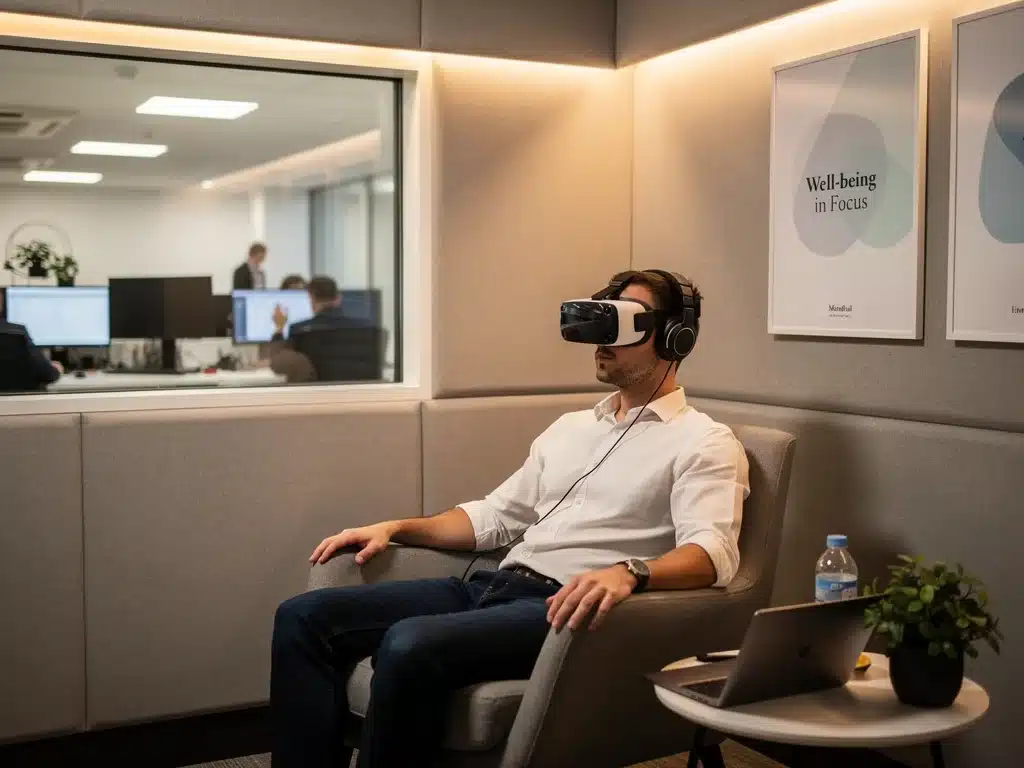
In Employee Perks, personalized wellness programs are no longer a luxury but a fundamental expectation. These programs extend beyond gym memberships to include tailored mental health support, nutritional counseling, and even sleep optimization.
Employers are leveraging technology to offer customized wellness plans that adapt to individual needs and preferences.
This bespoke approach ensures that benefits are not just offered but actively utilized, driving real improvements in employee health and happiness.
- Individualized mental health coaching and therapy access.
- Customized fitness plans with wearable tech integration.
- Nutritional guidance and healthy meal delivery subsidies.
- Stress management workshops and mindfulness training.
Flexible Work Arrangements and Location Independence
The demand for flexibility continues to dominate discussions around employee perks in 2026. Employees expect more autonomy over where and when they work, moving beyond the standard 9-to-5 office model.
This includes fully remote options, hybrid schedules, and even “work-from-anywhere” policies that allow employees to travel while staying productive. Companies are investing in robust digital infrastructure to support these flexible arrangements seamlessly.
- Remote work stipends for home office setups.
- Co-working space access in various locations.
- Flexible core hours and asynchronous work models.
The ability to integrate work with personal life, whether through caring for family or pursuing personal interests, is a powerful draw for talent. This flexibility is a key component of The Future of Employee Perks: Unconventional Benefits Gaining Traction in 2026.
The Ascent of Skill Development and Upskilling Incentives
In a rapidly evolving job market, continuous learning is paramount. Employers are recognizing the value of investing in their employees’ professional growth, turning skill development into a highly sought-after benefit.
This goes beyond typical corporate training programs, encompassing opportunities for employees to acquire new, relevant skills that benefit both their careers and the company. It’s a win-win scenario that fosters innovation and adaptability.
By providing access to cutting-edge education and development resources, companies are future-proofing their workforce and demonstrating a genuine commitment to their employees’ long-term success. This focus on growth is central to The Future of Employee Perks: Unconventional Benefits Gaining Traction in 2026.
Tuition Reimbursement and Professional Certifications
Offering generous tuition reimbursement and covering the costs of professional certifications is a significant draw for ambitious employees. This benefit allows individuals to pursue higher education or specialized training without the financial burden.
Companies are partnering with universities and online learning platforms to provide a wide array of educational opportunities. This commitment to lifelong learning helps employees stay competitive and contributes to a more skilled workforce.
The investment in employee education signals a long-term commitment from the employer, fostering loyalty and reducing turnover. This is a crucial element driving The Future of Employee Perks: Unconventional Benefits Gaining Traction in 2026.
Internal Mobility and Mentorship Programs
Beyond external education, internal growth opportunities are becoming critical. Robust internal mobility programs allow employees to explore different roles and departments within the company, fostering diverse skill sets and career trajectories.
Mentorship programs, both formal and informal, provide invaluable guidance and support, helping employees navigate their careers and develop leadership qualities. These initiatives build a strong internal talent pipeline.
- Structured career pathing and advancement frameworks.
- Cross-functional project opportunities for skill diversification.
- Reverse mentorship where junior employees guide senior staff.
These programs not only retain talent but also cultivate a culture of continuous improvement and internal growth. This strategic approach to talent development is a hallmark of The Future of Employee Perks: Unconventional Benefits Gaining Traction in 2026.
Financial Wellness and Stability Support
Financial stress is a significant concern for many employees, impacting their productivity and overall well-being. Recognizing this, forward-thinking companies are now offering benefits that go beyond basic retirement plans to promote comprehensive financial health.
These programs provide employees with the tools and knowledge to manage their finances effectively, plan for the future, and achieve greater financial security. This support reduces anxiety and allows employees to focus more effectively on their work.
By addressing the root causes of financial stress, employers are creating a more stable and satisfied workforce, which ultimately benefits the organization. This focus on employee financial health is a key trend in The Future of Employee Perks: Unconventional Benefits Gaining Traction in 2026.
Financial Coaching and Debt Management Resources
Access to professional financial coaching and resources for debt management is a highly valued benefit. Employees can receive personalized advice on budgeting, investing, and navigating complex financial decisions.
Some companies are even offering matching programs for student loan repayments or providing access to low-interest loans for unexpected expenses. These initiatives demonstrate a genuine concern for employees’ financial stability.
Providing these resources helps alleviate common financial burdens, allowing employees to build a stronger financial foundation. This proactive support is a significant part of The Future of Employee Perks: Unconventional Benefits Gaining Traction in 2026.
Emergency Savings Funds and Financial Literacy Workshops
To help employees prepare for unforeseen circumstances, companies are establishing emergency savings funds or contributing to employee savings accounts. This provides a crucial safety net for unexpected costs.
Financial literacy workshops, covering topics from retirement planning to understanding investments, empower employees with the knowledge to make informed decisions. These educational opportunities foster long-term financial independence.
- Employer-matched contributions to emergency savings accounts.
- Workshops on retirement planning, investment strategies, and tax optimization.
- Access to financial planning software and tools.
These benefits equip employees with the confidence and resources to manage their money effectively, reducing financial stress and fostering a sense of security. This comprehensive approach to financial well-being is vital for The Future of Employee Perks: Unconventional Benefits Gaining Traction in 2026.
Environmental and Social Impact Perks
Modern employees, particularly younger generations, are increasingly seeking employers whose values align with their own, especially regarding environmental sustainability and social responsibility. Benefits that reflect these values are gaining significant traction.
Companies are integrating perks that allow employees to contribute positively to the world, fostering a sense of purpose and collective impact. This goes beyond corporate social responsibility statements to tangible actions and opportunities.
By offering these impact-driven benefits, organizations are not only attracting socially conscious talent but also strengthening their brand reputation as responsible corporate citizens. This trend is integral to The Future of Employee Perks: Unconventional Benefits Gaining Traction in 2026.
Volunteer Time Off and Charitable Matching
Providing paid time off for volunteering allows employees to support causes they care about without sacrificing personal time. This empowers individuals to make a difference in their communities.
Charitable donation matching programs amplify employee contributions, demonstrating the company’s commitment to social good. These initiatives foster a culture of generosity and collective impact.
These perks resonate deeply with employees who seek to align their work with their personal values, enhancing job satisfaction and loyalty. Such benefits are becoming a cornerstone of The Future of Employee Perks: Unconventional Benefits Gaining Traction in 2026.
Eco-Friendly Commuting Incentives and Sustainable Living Support
Incentives for eco-friendly commuting, such as subsidies for public transport, electric bike purchases, or carpooling, encourage sustainable practices and reduce carbon footprints. This aligns with environmental values.
Support for sustainable living, including discounts on eco-friendly products or workshops on reducing household waste, helps employees live more consciously. These benefits extend the company’s values beyond the workplace.
- Subsidies for electric vehicle charging or public transportation passes.
- Company-sponsored recycling and composting programs.
- Workshops on sustainable gardening or energy conservation.
These benefits not only promote environmental stewardship but also appeal to employees who prioritize a sustainable lifestyle. This focus on impact is a significant aspect of The Future of Employee Perks: Unconventional Benefits Gaining Traction in 2026.
Family and Caregiving Support Innovations
Balancing work with family responsibilities, including childcare and eldercare, remains a major challenge for many employees. Companies are responding with innovative benefits that provide crucial support for caregivers.
These offerings recognize the diverse needs of modern families and aim to alleviate the stress associated with caregiving duties. By supporting employees’ personal lives, companies foster a more inclusive and understanding workplace.
Providing comprehensive caregiving support not only retains valuable talent but also enhances employee morale and reduces presenteeism. This focus on family is a critical component of The Future of Employee Perks: Unconventional Benefits Gaining Traction in 2026.
Enhanced Parental Leave and Childcare Subsidies

Beyond standard parental leave, companies are offering extended paid leave for new parents, regardless of gender, and providing subsidies for childcare services. This significantly eases the financial and logistical burden of raising children.
On-site childcare facilities or partnerships with local daycare centers are also becoming more prevalent. These benefits enable parents to return to work with greater peace of mind and flexibility.
These enhanced benefits demonstrate a strong commitment to supporting working families, making it easier for parents to thrive both professionally and personally. Such initiatives are key to The Future of Employee Perks: Unconventional Benefits Gaining Traction in 2026.
Elder Care Assistance and Family Support Networks
As the population ages, elder care is becoming an increasingly important concern for many employees. Companies are responding with resources like elder care referral services, subsidized in-home care, or flexible schedules to accommodate caregiving responsibilities.
Establishing internal family support networks or employee resource groups provides a platform for caregivers to share experiences, seek advice, and find solidarity. This fosters a supportive community within the workplace.
- Access to subsidized elder care planning services.
- Flexible work arrangements to attend to family emergencies.
- Employee resource groups for caregivers to share resources and support.
By addressing the complex needs of caregivers, companies are building a more compassionate and understanding work environment. This comprehensive family support is a hallmark of The Future of Employee Perks: Unconventional Benefits Gaining Traction in 2026.
| Key Perk Category | Brief Description |
|---|---|
| Personalized Wellness | Tailored mental health, fitness, and nutritional support programs. |
| Skill Development | Tuition reimbursement, certifications, and internal growth opportunities. |
| Financial Wellness | Financial coaching, debt management, and emergency savings support. |
| Social Impact Perks | Volunteer time off, charitable matching, and eco-friendly incentives. |
Frequently Asked Questions About Future Employee Perks
The most significant shifts involve a move towards personalized wellness, comprehensive financial well-being, and robust skill development programs. Flexibility and family support are also paramount, reflecting a more holistic view of employee needs.
Unconventional benefits significantly boost retention by fostering loyalty and job satisfaction. When employees feel genuinely supported in their personal and professional lives, they are more likely to stay with their current employer, reducing turnover costs.
While large corporations often lead with innovative perks, many unconventional benefits can be adapted for smaller businesses. Creative solutions like flexible hours, skill-sharing programs, and local partnerships make these benefits accessible to all.
Technology is crucial for personalized wellness platforms, remote work infrastructure, and access to online learning. AI-driven tools help tailor benefits to individual employees, enhancing their relevance and utilization.
Companies can measure ROI through metrics like reduced turnover, improved productivity, higher employee engagement scores, and decreased absenteeism. Surveys and feedback mechanisms also provide qualitative data on benefit effectiveness.
Impact and Implications
The evolving landscape of Employee Perks signals a fundamental shift in how organizations perceive and invest in their human capital. This movement towards more holistic and personalized benefits is not merely a trend but a strategic imperative for attracting and retaining top talent in a competitive market.
Companies that proactively embrace these unconventional offerings will likely see enhanced employee engagement, improved productivity, and a stronger employer brand. Conversely, those that lag risk losing valuable employees to more forward-thinking competitors.
As we move further into 2026, the integration of these benefits will become a standard benchmark for workplace excellence, shaping the future of work and redefining the employer-employee relationship for years to come.