Mental Health Benefits: New Workplace Support Programs
Anúncios
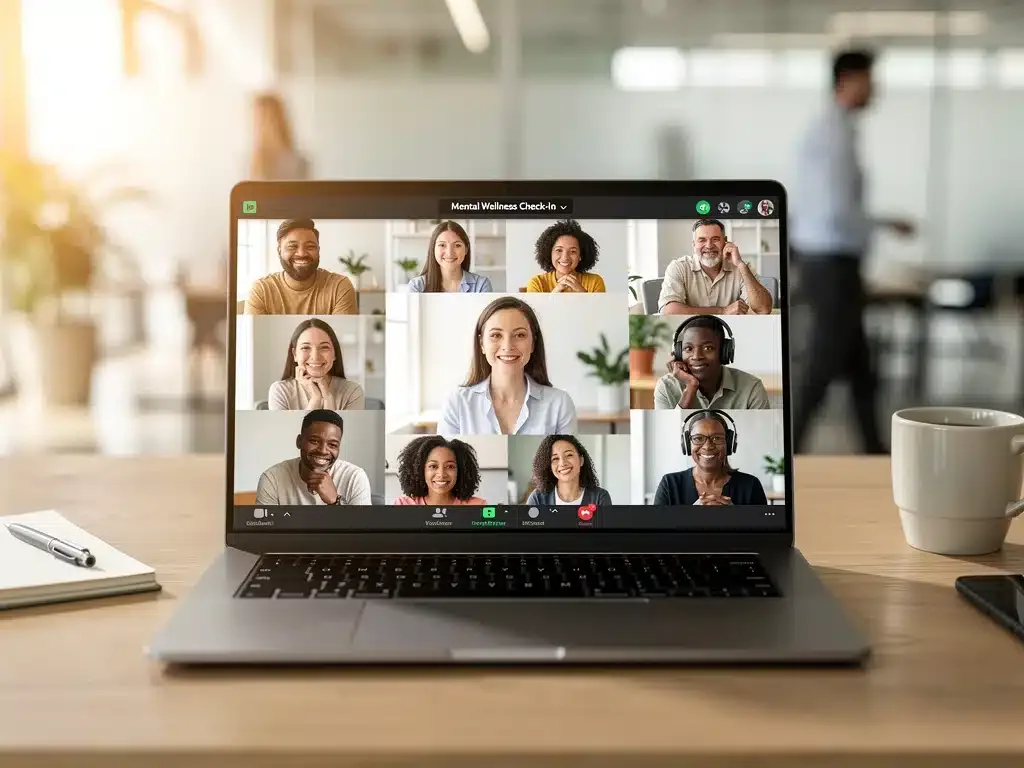
Latest developments in 2026 Mental Health Benefits show employers expanding support, but cost pressure is limiting new investment. SHRM’s 2026 snapshot found rising stress, anxiety, burnout concerns, and underuse of available mental health benefits.
The biggest shift is stronger focus on access and compliance. Federal mental health parity rules require plans to address barriers such as prior authorisation, network limits, and unequal restrictions compared with medical benefits, with some requirements applying in 2026.
Employees should monitor EAP session limits, therapy networks, telehealth access, out-of-pocket costs, confidentiality terms, and parity-related plan updates. Employers should watch utilisation data, burnout risks, manager training, and whether benefits are truly usable—not just listed on paper.
The Shifting Landscape of Workplace Mental Health
The traditional approach to Mental Health Benefits in the workplace has undergone a radical transformation over the past few years. What was once considered a personal matter is now firmly rooted in the employer’s responsibility to foster a supportive and healthy work environment.
This shift is not merely a trend but a fundamental re-evaluation of employee welfare, influenced by global events and a deeper understanding of psychological well-being. The 2026 evolution of mental health benefits will solidify these changes, making comprehensive care a standard expectation.
Anúncios
Employers are now tasked with navigating a complex array of options, from advanced digital solutions to more personalized, in-person support, all while ensuring compliance and efficacy in their offerings. Understanding these nuances is key to appreciating the 2026 mental health benefits.
Increased Emphasis on Proactive and Preventative Care
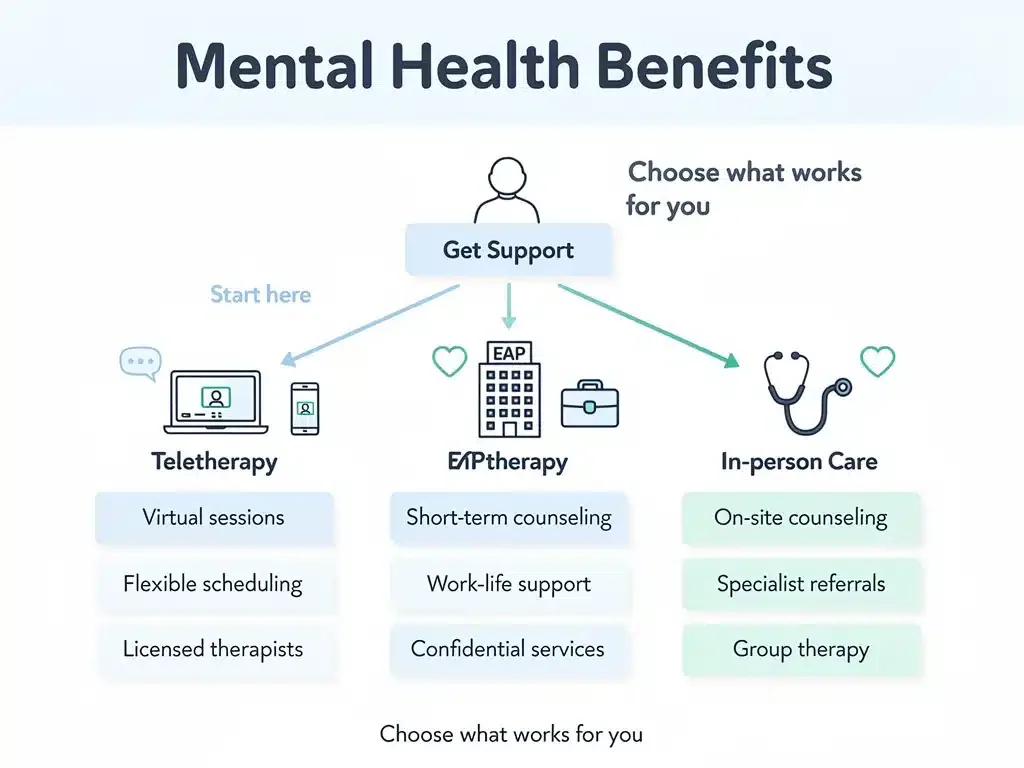
The focus is moving beyond reactive crisis management to proactive strategies that prevent mental health issues before they escalate.
This includes stress management programs, resilience training, and mindfulness initiatives designed to build employee coping mechanisms.
Preventative care is seen as an investment, reducing long-term healthcare costs and improving overall workforce stability.
Employers are realizing that a healthy mind is as crucial as a healthy body, shaping the 2026 Mental Health Benefits.
- Early intervention programs for stress and burnout.
- Wellness workshops on sleep, nutrition, and digital detox.
- Access to mental health coaching and educational resources.
Integration with Overall Health and Wellness Programs
Mental health benefits are no longer siloed but are being seamlessly integrated with physical health, financial wellness, and work-life balance initiatives. This holistic approach recognizes the interconnectedness of various aspects of an employee’s well-being.
A unified platform for all wellness services simplifies access and encourages employees to utilize available resources without stigma. This integrated model is a cornerstone of the 2026 evolution of mental health benefits.
Anúncios
The goal is to create a comprehensive support system that addresses the full spectrum of employee needs, fostering a culture of well-being. The 2026 mental health benefits will reflect this integrated vision.
Expanding Access Through Digital Solutions and Telehealth
Technology plays a pivotal role in democratizing access to mental health services, especially in a diverse and geographically dispersed workforce. Telehealth and digital platforms have emerged as indispensable tools, breaking down traditional barriers to care.
The convenience and privacy offered by virtual consultations and mental wellness apps are highly appealing to employees, who can access support from anywhere. This technological embrace is a defining characteristic of the 2026 evolution of mental health benefits.
Employers are investing heavily in these solutions, recognizing their potential to reach a broader audience and provide immediate, flexible support. This expansion is central to the discussion around 2026 Mental Health Benefits.
The Rise of Teletherapy and Virtual Counseling
Teletherapy has become a mainstream option, offering confidential sessions with licensed professionals via video calls. This eliminates commuting time, reduces social anxiety, and allows for greater scheduling flexibility, benefiting both employees and employers.
The efficacy of virtual counseling has been well-established, making it a preferred mode of delivery for many. Expect teletherapy to be a cornerstone of the 2026 mental health benefits landscape.
This accessibility is particularly crucial for employees in rural areas or those with demanding schedules, ensuring that help is always within reach. The 2026 mental health benefits package will undoubtedly feature strong teletherapy options.
Mental Wellness Apps and AI-Powered Support
Beyond one-on-one therapy, mental wellness apps offer self-guided programs, meditation exercises, mood tracking, and cognitive behavioral therapy (CBT) tools. AI-powered chatbots can provide immediate, anonymous support and guidance.
These digital tools empower employees to manage their mental health proactively and discreetly, supplementing professional care. The integration of such tools is a significant aspect of the 2026 evolution of Mental Health Benefits.
The ability to personalize these digital experiences ensures relevance and engagement, making mental health support more accessible and tailored to individual needs. The 2026 mental health benefits will leverage these technologies extensively.
Enhanced Employee Assistance Programs (EAPs)
Employee Assistance Programs (EAPs) have been a long-standing component of workplace mental health support, but their scope and effectiveness are undergoing significant upgrades. The 2026 evolution of mental health benefits will see EAPs become more robust and responsive.
Historically, EAPs have sometimes been underutilized due to lack of awareness or perceived limitations. However, employers are now revitalizing these programs, expanding their services and actively promoting their benefits to the workforce.
These enhanced EAPs will serve as a crucial first point of contact for employees seeking help, offering a wider range of services and improved referral systems. Understanding these improvements is vital for anticipating 2026 Mental Health Benefits.
Broader Scope of Services and Direct Referrals
Modern EAPs are moving beyond basic counseling to include services like financial advice, legal consultation, childcare resources, and elder care support. This comprehensive approach recognizes that various life stressors can impact mental well-being.
Crucially, enhanced EAPs will offer direct, streamlined referrals to specialized mental health providers, reducing the administrative burden on employees. This expanded scope is a key feature of the 2026 mental health benefits.
The aim is to provide a seamless transition to the most appropriate care, ensuring employees receive timely and effective support. The 2026 Mental Health Benefits will prioritize these comprehensive EAP offerings.
Improved Marketing and Destigmatization Efforts
Employers are actively working to destigmatize mental health issues and promote EAP utilization through targeted communication campaigns and leadership endorsements. Clear messaging about confidentiality and accessibility is paramount.
Training managers to identify signs of distress and encourage employees to seek help is also a vital component of these efforts. This proactive promotion is essential for the success of 2026 Mental Health Benefits.
By fostering an open and supportive culture, employers can encourage greater engagement with EAPs, ensuring these valuable resources are fully utilized. The 2026 mental health benefits will hinge on effective communication.
Personalized and Inclusive Mental Health Support
Recognizing that a one-size-fits-all approach is ineffective, the 2026 evolution of mental health benefits will emphasize personalized and inclusive care. This means tailoring support to meet the diverse needs of an organization’s workforce.
Diversity, equity, and inclusion (DEI) principles are increasingly being applied to mental health benefits, ensuring that services are culturally competent and accessible to all demographic groups within the company.
This commitment to personalization and inclusivity reflects a deeper understanding of the varied factors that influence mental well-being, from cultural background to individual life circumstances. This is a core aspect of 2026 Mental Health Benefits.
Culturally Competent and Diverse Provider Networks
Employers are seeking mental health providers who are culturally competent and reflect the diversity of their workforce. This ensures that employees can connect with professionals who understand their unique experiences and perspectives.
Access to therapists who speak different languages or specialize in specific cultural contexts is becoming a priority. This focus on diversity is integral to the 2026 evolution of Mental Health Benefits.
Such efforts build trust and encourage greater engagement with mental health services, leading to more effective outcomes. The 2026 mental health benefits will champion diverse provider networks.
Support for Specific Employee Groups
Targeted mental health programs for specific employee groups, such as new parents, caregivers, veterans, or LGBTQ+ individuals, are gaining traction. These programs address unique stressors and provide tailored support.
These specialized initiatives demonstrate an employer’s commitment to understanding and addressing the distinct challenges faced by different segments of their workforce. This personalization defines 2026 Mental Health Benefits.
By offering specialized resources, employers can foster a more inclusive and supportive environment for all employees. The 2026 mental health benefits will be characterized by these nuanced approaches.
Measuring Impact and Ensuring Accountability
As investments in Mental Health Benefits grow, employers are increasingly focused on measuring the impact of these programs and ensuring accountability. Data-driven insights will guide future strategies and demonstrate return on investment.
The ability to track utilization rates, employee satisfaction, and mental health outcomes is crucial for optimizing benefits packages. This analytical approach is fundamental to the 2026 evolution of mental health benefits.
Transparency and continuous improvement will be hallmarks of effective mental health programs, with employers committed to providing services that genuinely make a difference. This commitment underpins the 2026 mental health benefits.
Data-Driven Insights and Program Optimization
Employers will leverage anonymous data analytics to understand which mental health benefits are most utilized and effective. This information will inform decisions about resource allocation and program adjustments.
Regular surveys and feedback mechanisms will provide qualitative insights into employee experiences and satisfaction with the mental health offerings. This iterative process is key to maximizing the value of 2026 mental health benefits.
By continuously evaluating and refining their programs, employers can ensure their mental health benefits remain relevant and impactful. The 2026 Mental Health Benefits will be data-informed and agile.
Compliance and Regulatory Considerations
The regulatory landscape surrounding mental health benefits is constantly evolving, with new mandates and guidelines emerging to protect employee rights and ensure equitable access. Employers must stay abreast of these changes.
Compliance with mental health parity laws and privacy regulations (like HIPAA) will remain a critical concern for all organizations. This legal framework shapes the delivery and scope of 2026 mental health benefits.
Proactive engagement with legal counsel and industry experts will be essential to navigate these complexities and ensure full adherence to all applicable laws. The 2026 Mental Health Benefits will demand rigorous compliance.
The Role of Leadership and Culture in Mental Well-being
Beyond specific benefits programs, the culture of an organization and the visible commitment of its leadership play a paramount role in fostering mental well-being. A supportive culture amplifies the effectiveness of any mental health offering.
When leaders openly champion mental health initiatives and destigmatize conversations around stress and anxiety, employees feel safer seeking help. This top-down commitment is crucial for the success of 2026 mental health benefits.
Creating an environment where mental health is openly discussed and supported is just as important as the benefits themselves. This cultural shift defines the true impact of 2026 Mental Health Benefits.
Leadership Buy-in and Manager Training
Active leadership buy-in is non-negotiable for successful mental health initiatives. When senior leaders share their own experiences or advocate for mental well-being, it sets a powerful example for the entire organization.
Managers also require training to recognize signs of mental distress in their teams, engage in empathetic conversations, and direct employees to appropriate resources. This is a critical component of the 2026 evolution of mental health benefits.
Empowering managers to be frontline mental health advocates creates a stronger, more resilient workforce. The 2026 Mental Health Benefits will be bolstered by strong leadership support.
Fostering a Culture of Openness and Support
Cultivating an organizational culture where employees feel comfortable discussing mental health concerns without fear of judgment is vital. This involves promoting psychological safety and encouraging open dialogue.
Workplace policies that support work-life balance, reasonable workloads, and flexible arrangements also contribute significantly to mental well-being. These cultural elements reinforce the value of 2026 Mental Health Benefits.
Ultimately, a supportive culture ensures that mental health benefits are not just available but actively utilized and valued by employees. The 2026 mental health benefits will thrive in such an environment.
Future Trends and Innovations in Mental Health Benefits
Looking beyond 2026, the landscape of mental health benefits will continue to evolve, driven by ongoing research, technological advancements, and a deeper understanding of human psychology. Innovation will remain a constant.
Emerging trends include personalized prevention strategies based on genetic data, advanced virtual reality therapies, and even more sophisticated AI-driven diagnostic tools. These innovations promise even more tailored and effective support.
Employers will need to remain agile and adaptable, continuously evaluating new solutions to ensure their mental health offerings stay at the forefront of employee well-being. This forward-thinking approach will define the future of 2026 Mental Health Benefits.
Predictive Analytics for Mental Health Risks
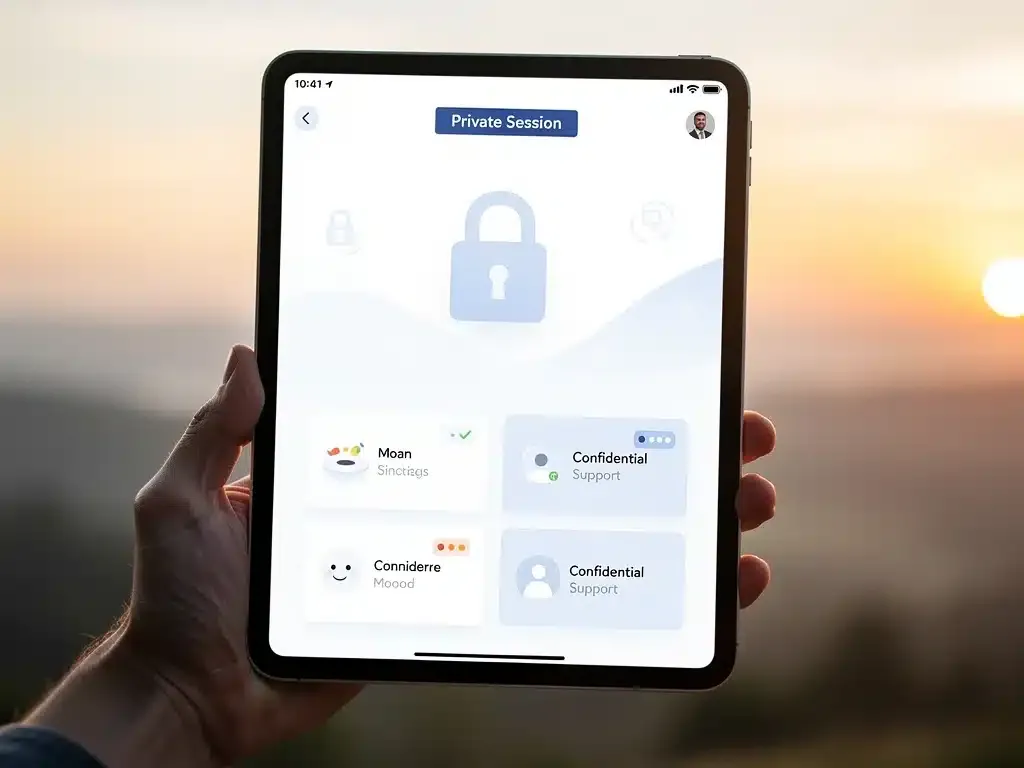
Future innovations may include predictive analytics, using anonymized data to identify employees at higher risk of developing mental health issues. This would allow for proactive outreach and early intervention, before symptoms become severe.
Such tools would respect privacy while offering a powerful means of supporting employee well-being. This proactive stance is expected to further shape the 2026 evolution of mental health benefits.
The ethical implications of these technologies will also be a key consideration, ensuring employee trust and data security. The 2026 Mental Health Benefits will navigate these ethical frontiers.
Advanced Therapies and Holistic Approaches
Expect to see a greater integration of advanced therapeutic modalities, such as psychedelic-assisted therapy (where legally and ethically appropriate), and a stronger emphasis on holistic well-being practices like nutrition and physical activity in mental health programs.
The boundaries between physical and mental health will continue to blur, leading to more integrated and comprehensive care models. This holistic view is a key aspect of 2026 Mental Health Benefits.
These cutting-edge approaches aim to offer more diverse and effective treatment options, catering to a wider range of individual needs. The 2026 mental health benefits will explore these innovative therapies.
| Key Aspect | Expected Change in 2026 |
|---|---|
| Access & Delivery | Increased reliance on telehealth, digital apps, and AI support. |
| Program Scope | Enhanced EAPs with broader services, proactive and preventative care. |
| Personalization | Focus on culturally competent and inclusive support for diverse groups. |
| Organizational Culture | Stronger leadership buy-in and manager training to destigmatize mental health. |
Frequently Asked Questions About 2026 Mental Health Benefits
What new trends are expected in 2026 mental health benefits?▼In 2026, expect a stronger emphasis on proactive and preventative mental health care, alongside expanded digital solutions like teletherapy and AI-powered apps. Personalized and culturally competent support will also become more prevalent, reflecting diverse workforce needs. The 2026 evolution of mental health benefits prioritizes accessibility and early intervention.
How will employers ensure privacy with digital mental health tools?▼Employers are committed to robust data security and compliance with regulations like HIPAA for digital mental health tools. Platforms will feature end-to-end encryption and strict confidentiality protocols. Employees will typically interact directly with providers or platforms, ensuring their personal health information remains private from their employer. The 2026 mental health benefits will prioritize trust.
Will EAPs still be relevant in 2026?▼Yes, Employee Assistance Programs (EAPs) will remain highly relevant but will be significantly enhanced. They are expected to offer a broader range of services, including financial and legal advice, and provide more direct, streamlined referrals to specialized mental health providers. Enhanced EAPs are a key part of the 2026 evolution of mental health benefits.
What role does leadership play in promoting mental health benefits?▼Leadership plays a critical role by actively championing mental health initiatives, destigmatizing discussions around mental well-being, and ensuring managers are trained to support their teams. Visible commitment from leadership creates a culture where employees feel safe and encouraged to utilize available benefits. This cultural aspect is vital for the success of 2026 mental health benefits.
How can employees prepare for these changes in 2026 mental health benefits?▼Employees should stay informed about their company’s evolving benefits packages and actively engage with new resources as they become available. Asking HR about new digital tools, expanded EAP services, and wellness programs can help. Understanding these changes ensures employees can maximize the support offered through the 2026 evolution of mental health benefits for their well-being.
Looking Ahead
The 2026 evolution of mental health benefits represents a significant step forward in corporate responsibility and employee well-being.
Employers are moving towards more comprehensive, accessible, and personalized mental health support, driven by a blend of technological innovation, cultural shifts, and a deeper understanding of human needs.
This transformation is not merely about compliance but about fostering a resilient, productive, and healthy workforce.
As these changes unfold, continuous engagement from both employers and employees will be crucial to maximize the positive impact of these vital programs. The future of workplace mental health is bright, with a clear path towards more integrated and effective care.