Employee Wellness Programs in 2026: 4 Benefits Beyond Basic Healthcare

Anúncios
Employee wellness programs in the United States are shifting toward broader, more measurable support in 2026. Employers are expanding beyond physical health to include mental health, financial wellness, caregiving, flexible work and prevention-focused care.
The update matters because health care costs, workplace stress and financial pressure are shaping benefit decisions. Recent employer research points to rising health plan and pharmacy cost concerns, while financial wellness surveys show younger workers are actively using tools to manage debt, spending and savings.
Readers should monitor mental health access, caregiver benefits, wellness participation rates, privacy around health data and whether programs produce measurable retention and productivity gains. The strongest programs will be those that combine real support with clear outcomes, not just surface-level perks.
Anúncios
The Evolving Landscape of Employee Wellness Programs in 2026
The traditional view of employee wellness, often limited to basic health insurance and perhaps a gym membership, is now largely obsolete. In 2026, Employee Wellness Programs are characterized by their holistic, personalized, and technology-driven approaches, reflecting a deeper understanding of human needs.
Organizations are recognizing that a truly effective wellness program must address the multifaceted challenges employees face, both inside and outside the workplace. This includes everything from stress management and financial stability to fostering a sense of community and purpose.
This comprehensive strategy is not just about reducing healthcare costs; it’s about cultivating a thriving workforce that is engaged, resilient, and productive. The emphasis is on prevention, empowerment, and creating an environment where employees can flourish personally and professionally.
Anúncios
Beyond Physical Health: A Holistic Approach Emerges
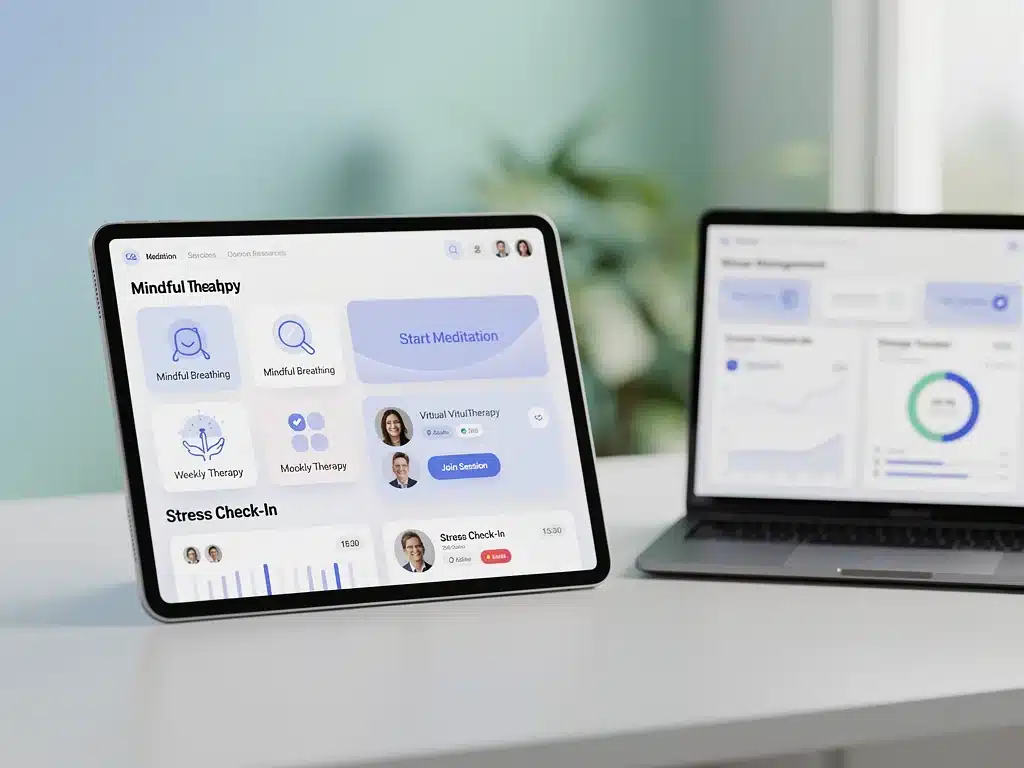
While physical health remains a cornerstone, the definition of wellness has expanded significantly. Companies are now actively integrating mental health support, financial literacy, and social well-being into their Employee Wellness Programs.
This broader perspective acknowledges that an individual’s well-being is interconnected, and neglect in one area can profoundly impact others. Addressing these diverse needs proactively leads to a more balanced and satisfied workforce.
The goal is to create a supportive ecosystem where employees feel valued and equipped to manage all aspects of their lives effectively. This holistic approach is proving to be a powerful differentiator in attracting and retaining top talent.
Mental Health Support: A New Priority
Mental health has emerged as a critical component of Employee Wellness Programs in 2026. The stigma surrounding mental health has significantly decreased, allowing companies to implement robust support systems without hesitation.
These programs often include access to virtual therapy, mindfulness apps, stress reduction workshops, and employee assistance programs (EAPs) with expanded resources. The focus is on early intervention and providing accessible tools for psychological well-being.
Investing in mental health not only improves individual employee lives but also reduces absenteeism, increases focus, and fosters a more empathetic and understanding workplace culture. It’s a strategic move for long-term organizational health.
Financial Wellness Initiatives: Securing Futures
Financial stress is a pervasive issue that impacts employee productivity and overall well-being. Recognizing this, Employee Wellness Programs are increasingly incorporating comprehensive financial wellness initiatives.
These programs typically offer financial planning workshops, debt management resources, retirement planning advice, and access to financial advisors. The aim is to empower employees with the knowledge and tools to achieve financial stability.
By alleviating financial worries, companies enable their employees to focus more effectively on their work and personal lives, leading to reduced stress and enhanced job satisfaction. This proactive support benefits both the employee and the organization.
Enhanced Productivity Through Comprehensive Wellness
The link between employee well-being and productivity is undeniable. When employees feel supported and healthy across all dimensions of their lives, their ability to perform at their best significantly increases.
Employee Wellness Programs that go beyond basic healthcare contribute directly to a more focused, energetic, and engaged workforce. This translates into higher quality work, fewer errors, and improved innovation.
Companies are observing tangible improvements in output and efficiency, demonstrating that investments in comprehensive wellness are not just an expense but a strategic driver of business success. The returns on these investments are becoming increasingly clear.
Boosting Engagement and Morale
A well-designed Employee Wellness Programs fosters a strong sense of loyalty and appreciation among employees. When companies invest in their well-being, employees feel valued, leading to higher engagement and morale.
Engaged employees are more likely to be proactive, collaborative, and committed to organizational goals. This positive environment reduces turnover and strengthens team cohesion, creating a more vibrant workplace.
The positive ripple effect of high morale extends to customer satisfaction and brand reputation, positioning the company as an employer of choice. It’s a virtuous cycle where wellness drives engagement, and engagement drives success.
- Increased job satisfaction and loyalty among staff.
- Improved team collaboration and communication.
- Greater willingness to take initiative and innovate.
- Reduced instances of workplace conflict.
Talent Retention and Attraction: A Competitive Edge
In today’s competitive job market, robust Employee Wellness Programs are no longer just a perk; they are a critical factor in attracting and retaining top talent. Prospective employees are increasingly scrutinizing a company’s commitment to well-being.
Organizations that offer comprehensive wellness benefits stand out, demonstrating a genuine care for their employees that goes beyond compensation. This creates a powerful employer brand that resonates with individuals seeking supportive work environments.
Furthermore, these programs significantly reduce turnover rates, as employees are less likely to leave a company that actively invests in their health and happiness. This saves substantial costs associated with recruitment and training.
Creating a Culture of Care
The implementation of effective Employee Wellness Programs helps cultivate a pervasive culture of care within the organization. This culture extends beyond formal programs, influencing daily interactions and managerial approaches.
Employees feel empowered to prioritize their well-being, knowing they have the company’s full support. This leads to a more empathetic and understanding workplace where individuals feel safe to seek help and openly discuss their needs.
A culture of care fosters psychological safety, encouraging employees to bring their whole selves to work and contribute their best. This deepens trust and strengthens the bond between employees and their employer.
- Reduced employee turnover and associated costs.
- Enhanced company reputation as a desirable employer.
- Stronger candidate pipeline for open positions.
- Improved employee advocacy and word-of-mouth referrals.
Reduced Healthcare Costs and Absenteeism
While the initial investment in comprehensive Employee Wellness Programs might seem substantial, the long-term returns often include significant reductions in healthcare costs and absenteeism. Proactive health management prevents more serious issues.
By promoting healthy lifestyles, managing chronic conditions, and providing mental health support, companies can mitigate the need for expensive medical interventions. This translates into lower insurance premiums and fewer claims.
Moreover, healthier employees take fewer sick days, leading to a decrease in absenteeism and an increase in overall workforce availability. The economic benefits are clear and directly impact the company’s bottom line.
Preventive Care and Early Intervention
Many Employee Wellness Programs in 2026 emphasize preventive care and early intervention strategies. This includes health screenings, vaccination drives, and chronic disease management programs designed to keep employees healthy.
Providing easy access to preventive services and encouraging early detection of health issues can prevent conditions from escalating into more serious and costly problems. This proactive approach saves both lives and money.
Empowering employees to take charge of their health through education and resources is a key aspect. The focus is on long-term health maintenance rather than just treating illnesses as they arise.
These strategic investments underscore the understanding that a healthy workforce is a resilient workforce, capable of navigating challenges with greater ease and consistency. The benefits extend far beyond immediate physical health.
Community and Social Well-being Integration
Beyond individual health metrics, Employee Wellness Programs are increasingly focusing on fostering a strong sense of community and social well-being within the workplace. This recognizes the human need for connection and belonging.
Initiatives include team-building activities, volunteer opportunities, social clubs, and mentorship programs. These elements help create a supportive and inclusive environment where employees feel connected to their colleagues and the broader organization.
A strong social fabric at work contributes to higher job satisfaction, reduced feelings of isolation, and improved collaboration. It reinforces the idea that work is not just a place for tasks but a community where relationships thrive.
Promoting Inclusivity and Belonging
Effective Employee Wellness Programs actively promote inclusivity and a sense of belonging for all employees. This involves creating initiatives that cater to diverse needs and backgrounds, ensuring everyone feels represented and valued.
Diversity and inclusion training, affinity groups, and accessible wellness resources are crucial components. The goal is to build an environment where every employee feels safe, respected, and empowered to participate fully.
This focus on inclusivity not only enhances individual well-being but also enriches the entire organizational culture, fostering a more innovative and dynamic workforce. It’s a foundational element of modern wellness strategies.
Technology’s Role in Scaling Wellness Initiatives
Technology is a pivotal enabler for the expansive reach and personalization of Employee Wellness Programs in 2026. Digital platforms, wearable devices, and AI-driven insights are transforming how wellness is delivered and experienced.
From personalized health coaching apps to virtual fitness classes and gamified wellness challenges, technology allows companies to offer flexible and accessible resources tailored to individual preferences and schedules. This removes geographical and time barriers.
Data analytics also plays a crucial role, enabling organizations to measure the effectiveness of their programs, identify areas for improvement, and demonstrate the tangible return on investment. Technology ensures that wellness initiatives are both scalable and impactful.
Personalized Wellness Journeys

The advent of sophisticated technology facilitates the creation of highly personalized wellness journeys for employees. No longer are programs one-size-fits-all; instead, they adapt to individual needs, goals, and health profiles.
AI algorithms can analyze health data, preferences, and engagement patterns to recommend relevant resources, activities, and support systems. This level of customization significantly increases participation and effectiveness.
Personalization ensures that employees receive the most relevant and impactful support, making their wellness journey more engaging and successful. It’s a powerful tool for fostering long-term healthy habits and sustained well-being.
The Future of Employee Wellness Programs in 2026
Looking ahead, Employee Wellness Programs are expected to become even more integrated into overall business strategy. The recognition of well-being as a core driver of organizational success will continue to grow, leading to further innovation.
Expect to see increased collaboration with external health and wellness providers, advanced predictive analytics to identify at-risk employees, and a greater emphasis on environmental well-being initiatives within the workplace itself.
The focus will remain on creating sustainable, supportive ecosystems where employees can thrive, both personally and professionally. Companies that embrace this expansive vision will be best positioned for future growth and resilience.
The evolution of Employee Wellness Programs in 2026 signifies a profound shift in corporate responsibility, moving towards a truly human-centric approach that prioritizes the holistic health of the workforce. This is an investment in both people and prosperity.
| Key Benefit | Description |
|---|---|
| Holistic Well-being | Addresses mental, financial, social, and physical health, moving beyond basic healthcare. |
| Enhanced Productivity | Supports a focused, engaged workforce, leading to higher output and innovation. |
| Talent Attraction/Retention | Creates a competitive edge in recruiting and significantly reduces employee turnover. |
| Cost Reduction | Lowers healthcare costs and decreases absenteeism through proactive health management. |
Frequently Asked Questions About Employee Wellness Programs in 2026
Employee Wellness Programs in 2026 are defined by a holistic approach, encompassing mental, financial, social, and physical well-being. They prioritize preventive care, personalization through technology, and integration into the company culture to support the whole employee.
By addressing various aspects of employee well-being, these programs reduce stress, improve focus, and boost morale. This leads to a more engaged, energetic, and resilient workforce, directly translating into higher productivity and better quality work outcomes.
Yes, by emphasizing preventive care, early intervention, and chronic disease management, Employee Wellness Programs can significantly reduce the need for expensive medical treatments. This often results in lower insurance premiums and fewer claims over the long term.
Technology is crucial for scaling and personalizing wellness initiatives. Digital platforms, AI, and wearables enable customized health coaching, virtual resources, and data analytics to measure effectiveness and tailor programs to individual employee needs and preferences.
Comprehensive Employee Wellness Programs demonstrate a company’s commitment to employee well-being, fostering loyalty and a positive employer brand. This makes the organization more attractive to new talent and reduces turnover, saving recruitment and training costs.
What happens now
The evolution of Employee Wellness Programs in 2026 marks a pivotal moment in corporate strategy, moving beyond mere compliance to genuine investment in human capital.
Organizations are now tasked with continually adapting these programs to meet dynamic employee needs and leverage emerging technologies for maximum impact.
The ongoing integration of holistic well-being into company culture will be a defining factor in attracting and retaining talent, fostering resilience, and driving sustainable growth in the years to come. Staying informed on these developments is crucial for all stakeholders.