Pet Insurance as an Employee Benefit: 2026 Overview

Anúncios
The Rising Trend of Pet Insurance as an Employee Benefit in 2026
The inclusion of pet insurance in employee benefits packages has seen a remarkable surge, reflecting a deeper understanding of the human-animal bond in the modern workforce. This trend is not merely anecdotal; recent surveys indicate a significant increase in companies offering this benefit, particularly among larger corporations and those in competitive industries.
As of early 2026, data from various HR consulting firms shows that approximately 25-30% of US companies now offer some form of pet insurance, up from less than 10% five years ago.
Anúncios
This growth underscores a shift in corporate philosophy, recognizing pets as integral family members whose well-being impacts employee stress and financial stability.
The strategic advantage for employers is clear: offering Pet Insurance can significantly enhance recruitment and retention efforts.
In a tight labor market, differentiating a benefits package goes beyond traditional health and retirement plans, appealing directly to the emotional and financial concerns of pet-owning employees.
Understanding Coverage Options for Pet Insurance Benefits
The array of coverage options available under pet insurance plans offered as employee benefits is becoming increasingly sophisticated, catering to a wide range of needs and budgets.
Employers typically partner with insurance providers to offer discounted group rates or a selection of plans, ensuring flexibility for their diverse workforce.
These plans generally fall into a few primary categories: accident-only, accident and illness, and comprehensive wellness plans.
Accident-only coverage is the most basic, addressing injuries from unforeseen events, while accident and illness plans expand to include common conditions like infections, digestive issues, and even some chronic diseases.
Comprehensive wellness plans represent the highest tier, often covering routine veterinary care, vaccinations, preventative treatments, and sometimes even dental cleanings.
Employers must carefully evaluate which types of coverage align best with their company culture and the demographic profile of their employees, considering the average age and health status of pets in their workforce.
Accident and Illness Coverage Specifics
Accident and illness plans form the backbone of most pet insurance offerings, providing critical financial protection against unexpected veterinary expenses.
These policies typically cover a wide range of medical conditions, from broken bones and ingestions to cancer treatments and diagnostic tests, which can otherwise be prohibitively expensive.
For employees, this means peace of mind, knowing that a sudden illness or injury won’t lead to a difficult choice between their pet’s health and their financial stability.
Employers often find these plans to be a popular choice due to their balance of cost and comprehensive protection against major veterinary bills.
- Covers emergencies like broken bones, toxic ingestions, and surgical procedures.
- Includes treatment for illnesses such as infections, allergies, and chronic conditions.
- Often includes diagnostic tests, specialist consultations, and prescription medications.
Wellness and Preventative Care Add-ons
Beyond accident and illness, many progressive employers are now including wellness and preventative care add-ons or offering them as optional upgrades for their Pet Insurance.
These plans focus on proactive health management, aiming to keep pets healthy and potentially reduce the incidence of serious illnesses down the line.
Wellness coverage typically reimburses for routine vet visits, annual check-ups, vaccinations, and parasite prevention.
While these costs are generally lower than emergency treatments, they accumulate over time, and coverage for them is a significant value proposition for pet owners.
- Reimbursement for annual physical exams and routine vaccinations.
- Coverage for flea, tick, and heartworm prevention medications.
- May include dental cleanings, microchipping, and spaying/neutering.

The Value Proposition for Employers and Employees in 2026
The value of offering Pet Insurance extends far beyond simple financial assistance. For employers, it represents a tangible commitment to employee well-being, fostering a supportive work environment that acknowledges the role pets play in employees’ lives.
This benefit can significantly boost employee morale, reduce stress related to pet health emergencies, and contribute to higher job satisfaction. Companies that offer pet insurance often report improved employee retention rates, as employees are less likely to seek opportunities elsewhere when their current employer provides such thoughtful and practical support.
For employees, the value is immediate and impactful: reduced financial burden, access to better veterinary care, and peace of mind. The rising cost of veterinary care makes pet insurance an increasingly essential component of a comprehensive benefits package, allowing pet owners to make healthcare decisions based on necessity rather than financial constraint.
Enhancing Employee Morale and Retention
Employee morale is a critical factor in workplace productivity and overall success, and pet insurance can play a direct role in its enhancement.
When employees feel valued and supported by their employer, their engagement and loyalty naturally increase.
Offering a benefit like pet insurance demonstrates an understanding of the challenges pet owners face, particularly the emotional and financial strain of unexpected vet bills.
This proactive support can significantly reduce employee stress, leading to a more focused and committed workforce, ultimately impacting retention positively.
Financial Benefits and Cost Savings for Pet Owners
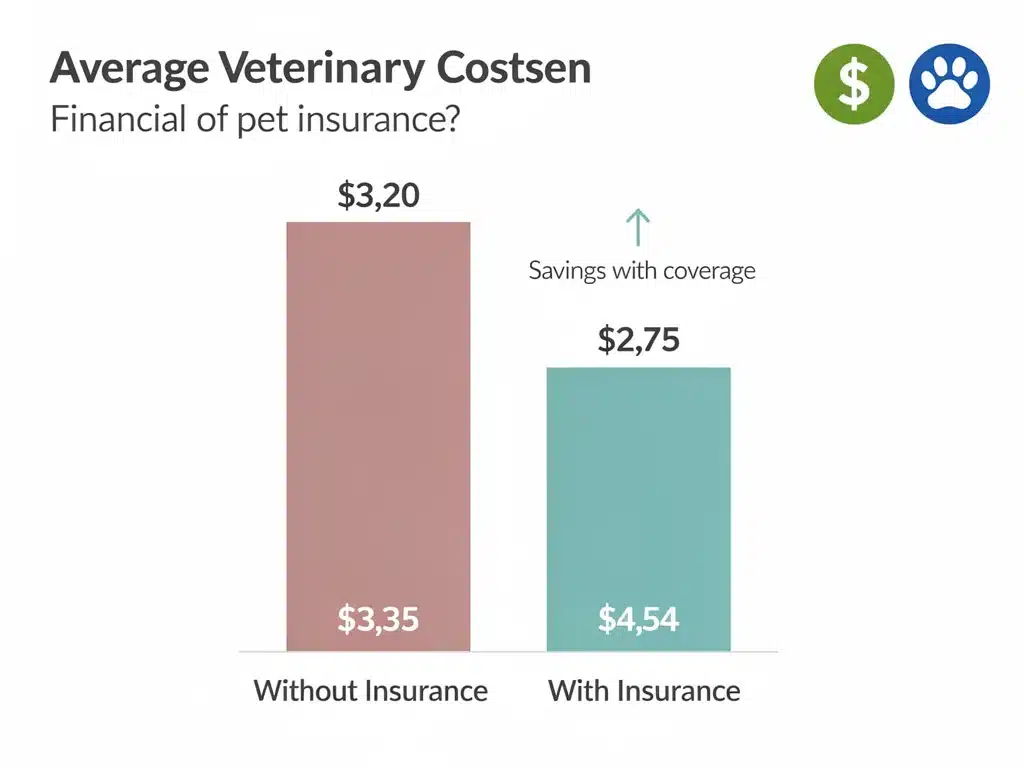
The financial benefits for pet owners are arguably the most compelling aspect of Pet Insurance. Veterinary costs for even routine procedures can be substantial, and emergency care can quickly escalate into thousands of dollars, posing a significant financial threat to many households.
With pet insurance, employees can mitigate these risks, often receiving reimbursement for 70-90% of eligible veterinary expenses after meeting a deductible.
This allows them to provide the best possible care for their pets without facing crippling debt, ensuring their beloved companions receive timely and necessary medical attention.
Navigating the Implementation of Pet Insurance Programs
Implementing a pet insurance program as an employee benefit requires careful planning and consideration to ensure its success and maximize its impact. Employers need to assess various providers, compare plan structures, and determine the most effective way to integrate this new benefit into their existing HR framework.
The process typically involves selecting a reputable pet insurance provider that offers group rates and administrative ease. Communication is key; employers must clearly articulate the benefits, enrollment process, and coverage details to their workforce, ensuring high participation rates and understanding.
Furthermore, ongoing evaluation of the program’s effectiveness and employee satisfaction is crucial for its long-term success. Regular feedback helps in refining the offerings and ensuring that the Pet Insurance continues to meet the evolving needs of employees and their pets.
Choosing the Right Provider and Plan
Selecting the appropriate pet insurance provider and plan is a pivotal decision for any employer considering this benefit.
Factors such as the provider’s reputation, financial stability, customer service track record, and the flexibility of their plan offerings are paramount.
Employers should look for plans that offer a good balance of comprehensive coverage, reasonable premiums, and manageable deductibles and reimbursement percentages.
It’s also important to consider the breadth of their veterinary network and whether they offer direct-to-vet payment options, simplifying the claims process for employees.
Communication and Enrollment Strategies
Effective communication is vital for the successful rollout of any new employee benefit, especially one as emotionally resonant as pet insurance.
Employers must develop clear and concise communication strategies to inform employees about the availability, benefits, and enrollment procedures for Pet Insurance as an Employee Benefit: A 2026 Overview of Coverage and Value.
Utilizing multiple channels, such as internal newsletters, HR portals, informational webinars, and Q&A sessions, can ensure that all employees understand the value proposition.
Highlighting real-life scenarios where pet insurance has made a difference can also be a powerful motivator for enrollment, encouraging employees to take advantage of this valuable offering.
Challenges and Considerations for 2026
While the benefits of offering pet insurance are clear, employers must also be aware of the challenges and considerations associated with its implementation and ongoing management. These can range from administrative complexities to ensuring equitable access and understanding among a diverse employee base.
One primary challenge involves managing the administrative burden, particularly for smaller HR departments. Streamlined enrollment platforms and robust customer support from the insurance provider are essential. Additionally, employers must address potential concerns regarding plan affordability and coverage limitations, ensuring transparency with their workforce.
Furthermore, staying abreast of evolving regulations and market trends in the pet insurance industry will be crucial for maintaining a competitive and valuable benefit. The dynamic nature of veterinary medicine and insurance products means that periodic reviews and adjustments to the program may be necessary to keep it relevant and appealing.
Addressing Affordability and Coverage Gaps
A key consideration for employers is ensuring that the offered pet insurance plans are both affordable and provide meaningful coverage, avoiding significant gaps.
While group rates typically offer savings, individual employee contributions can still be a concern for some.
Employers might explore options like partial premium subsidies or offering different tiers of plans to accommodate varying financial situations and pet care needs.
Transparently communicating any coverage limitations, such as pre-existing condition clauses or breed-specific exclusions, is also crucial to manage employee expectations.
Integration with Broader Wellness Programs
Integrating Pet Insurance into a broader corporate wellness program can amplify its impact and reinforce an employer’s commitment to holistic employee well-being.
Recognizing the link between pet ownership and human health, this integration creates a more cohesive and supportive environment.
By connecting pet insurance with mental health resources, stress reduction initiatives, or even employee assistance programs, companies can underscore their understanding of the profound impact pets have on their employees’ overall health.
This approach not only enhances the value of the pet insurance offering but also strengthens the perception of a caring employer.
Future Outlook: Pet Insurance in the Workplace Beyond 2026
Looking beyond 2026, the trajectory for Pet Insurance appears set for continued growth and innovation. The increasing recognition of pets as family members, coupled with rising veterinary costs, will likely solidify its position as a standard offering in competitive benefits packages.
Expect to see more personalized and flexible plan designs, potentially incorporating advanced veterinary treatments, behavioral therapy, and even end-of-life care. Technology will also play a larger role, with AI-driven platforms simplifying claims processing and offering tailored recommendations based on pet health data.
Employers will increasingly leverage pet insurance as a strategic tool for talent acquisition and retention, particularly among younger generations who are highly engaged with pet ownership. The focus will shift from merely providing the benefit to actively promoting its value and integrating it seamlessly into a comprehensive employee experience.
| Key Aspect | Brief Description |
|---|---|
| Growth Trend | Significant increase in companies offering pet insurance as a benefit by 2026. |
| Coverage Types | Accident-only, accident & illness, and comprehensive wellness plans are common. |
| Value Proposition | Enhances employee morale, aids retention, and provides financial relief for pet owners. |
| Future Outlook | Continued growth, personalized plans, and technology integration expected beyond 2026. |
Frequently Asked Questions About Pet Insurance as an Employee Benefit
Pet Insurance refers to employers offering pet insurance policies to their staff, often at group rates or with employer contributions. It helps employees manage veterinary costs, covering accidents, illnesses, and sometimes routine care, thus reducing financial stress and enhancing overall well-being. This benefit is gaining traction for its positive impact on employee satisfaction and retention.
Companies are increasingly offering Pet Insurance to attract and retain talent in a competitive job market. Recognizing pets as family members, employers understand that supporting pet owners financially reduces employee stress and demonstrates a commitment to their holistic well-being. It differentiates their benefits package and boosts morale effectively.
Typical coverage options for Pet Insurance include accident-only plans, which cover injuries and emergencies; accident and illness plans, which extend to common diseases and chronic conditions; and comprehensive plans, which often include wellness and preventative care like vaccinations and routine check-ups. Employers usually choose plans that offer flexibility for their workforce’s diverse needs.
For employees, pet insurance provides significant financial relief by reimbursing a substantial portion of veterinary expenses, often 70-90% after a deductible. This mitigates the financial burden of unexpected illnesses or injuries, allowing pet owners to prioritize their pet’s health without facing crippling debt. The group rates offered through employers typically make these plans more affordable than individual policies.
Employers implementing Pet Insurance should consider the provider’s reputation, plan flexibility, administrative ease, and communication strategies. It’s crucial to clearly articulate the benefits and enrollment process to employees, ensuring high participation. Regular evaluation of the program’s effectiveness and employee feedback helps refine the offering and keep it relevant and appealing.
What This Means for the Future of Employee Benefits
The growing prominence of Pet Insurance signifies a fundamental shift in how companies approach employee well-being. It underscores a broader trend towards more personalized and inclusive benefits packages, reflecting the diverse needs and values of the modern workforce.
This evolution suggests that employers will continue to explore innovative ways to support their employees, recognizing that personal circumstances, including pet ownership, significantly impact professional performance and satisfaction.
Monitoring ongoing developments in benefit offerings will be crucial for both companies aiming to stay competitive and employees seeking comprehensive support.