Employee Benefits Trends for 2026: Workplace Perks Evolving
Anúncios
The latest 2026 employee benefits trends show U.S. companies expanding mental health support, financial wellness tools, caregiving benefits, fertility coverage and flexible work options to attract talent. At the same time, health plan costs are expected to rise sharply, with Mercer projecting employer-sponsored health costs up about 6.5% in 2026.
This matters because benefits are becoming a core part of compensation strategy, not just a workplace perk. Employers are using student loan support, HSA education, telehealth, caregiver leave and personalized wellbeing programs to improve retention while managing higher medical and pharmacy costs.
Looking ahead, workers should monitor open enrollment changes, premium increases, mental health access, fertility coverage, retirement matching and AI-driven benefits administration. Companies that balance affordability with meaningful support are likely to stay more competitive in the 2026 labor market.
Anúncios
The Evolving Landscape of Employee Benefits
The competitive talent market is driving significant shifts in how companies approach employee benefits. Employers are no longer simply offering standard packages but are instead crafting highly personalized and flexible options to meet diverse employee needs.
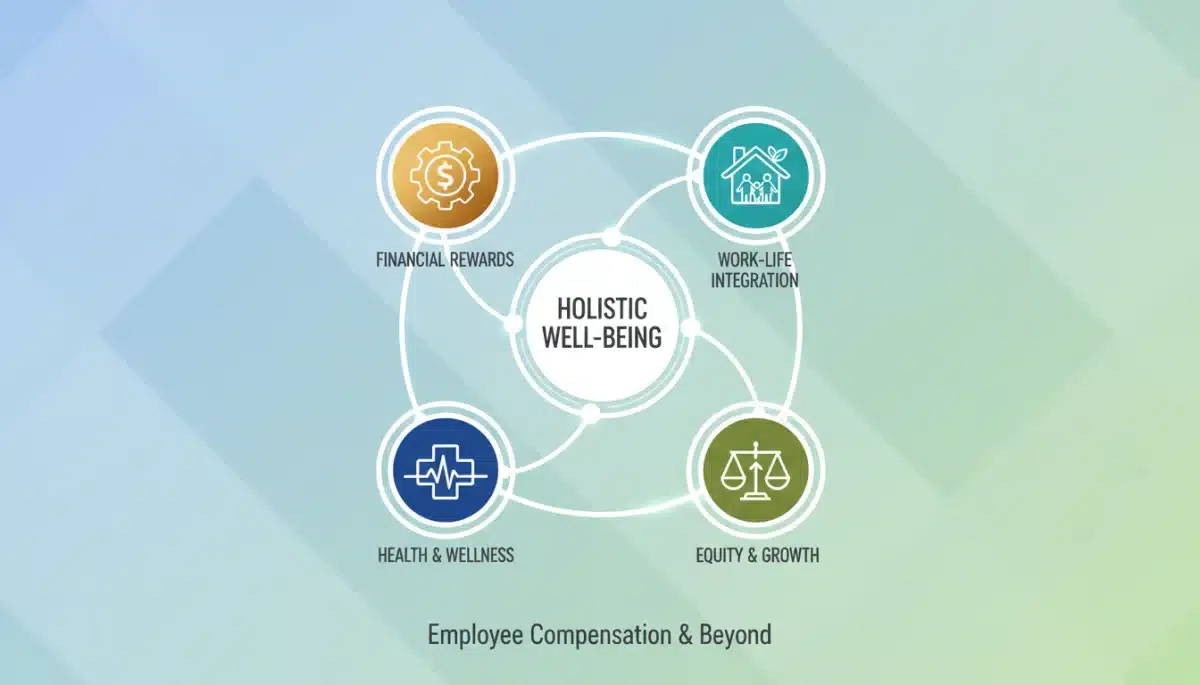
This strategic pivot is essential for attracting and retaining top talent, especially as the workforce becomes increasingly diverse and demands greater autonomy. The focus has moved beyond traditional compensation to a more holistic view of employee well-being.
As we approach 2026, organizations are keenly observing these emerging patterns to ensure their benefit structures remain competitive and aligned with employee expectations. Understanding these shifts is crucial for any business aiming to thrive.
Anúncios
Prioritizing Holistic Well-being
Mental health support has emerged as a cornerstone of modern employee benefits packages, moving from a niche offering to a mainstream expectation. Companies are recognizing that a healthy mind is as crucial as a healthy body for productivity and overall employee satisfaction.
Beyond traditional EAPs, firms are investing in comprehensive mental wellness programs, including therapy access, mindfulness resources, and stress management workshops. This reflects a broader understanding of the pressures faced by today’s workforce.
These initiatives are directly impacting engagement and retention, making them a critical component of the overall Employee Benefits Trends for 2026. Employees now actively seek employers who genuinely prioritize their psychological well-being.
Expanded Mental Health Resources
Companies are now providing easier access to licensed therapists and counselors, often through virtual platforms.
This removes geographical barriers and reduces the stigma associated with seeking mental health support.
Many organizations also integrate mental wellness apps and platforms into their benefits, offering guided meditations, CBT exercises, and personalized support. These resources are often available 24/7, catering to various schedules and immediate needs.
Physical Wellness Integration
- Subsidized gym memberships and fitness classes encourage active lifestyles.
- Wellness challenges and health screenings promote preventive care and healthy habits.
- Nutritional counseling and healthy eating programs support overall physical health.
Flexibility and Work-Life Integration
The demand for flexible work arrangements continues to shape the Employee Benefits Trends for 2026, with hybrid and remote models becoming the norm rather than the exception. Employees value autonomy over where and when they work, leading to increased job satisfaction and loyalty.
This flexibility extends beyond location to include adaptable schedules, compressed workweeks, and even unlimited paid time off policies. Companies are finding that trust and results-oriented management yield better outcomes than strict adherence to traditional office hours.
Such arrangements are not just about convenience; they enable employees to better manage personal responsibilities, leading to reduced stress and a more balanced life. This integration of work and life is a powerful draw for talent.
Hybrid and Remote Work Models
Many organizations are solidifying their hybrid work policies, allowing employees to split their time between the office and home.
This offers the best of both worlds, fostering collaboration while preserving individual flexibility and reducing commute times.
Fully remote positions also remain highly sought after, particularly for roles that do not require a physical presence. Companies are investing in robust remote infrastructure and tools to ensure seamless collaboration and productivity across distributed teams.
Enhanced Support for Remote Workers
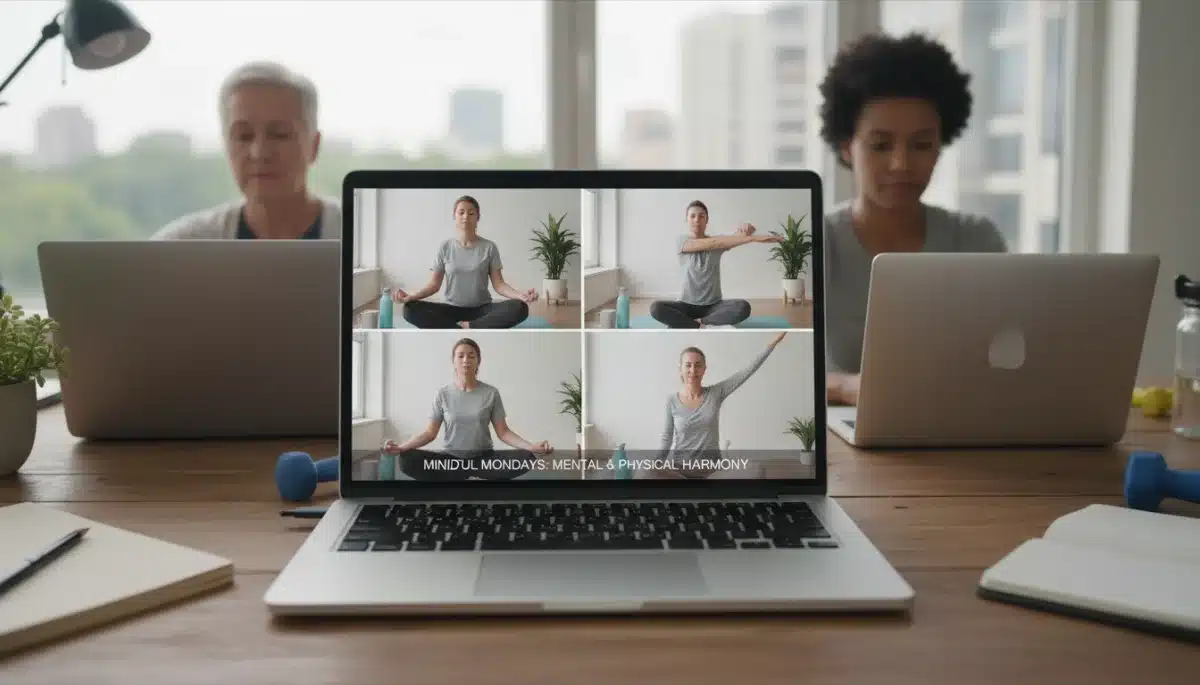
- Stipends for home office equipment and high-speed internet ensure a productive remote setup.
- Virtual team-building activities and communication tools maintain connection and culture.
- Flexible working hours accommodate different time zones and personal commitments.
Personalized Learning and Development
Investing in employee growth and skill development is a key strategy for attracting ambitious talent and fostering long-term commitment. The Employee Benefits Trends for 2026 highlight a strong emphasis on continuous learning opportunities.
Companies are moving beyond generic training programs to offer personalized learning paths, aligning with individual career aspirations and organizational needs. This demonstrates a commitment to an employee’s future, not just their current role.
From online courses and certifications to mentorship programs and tuition reimbursement, these benefits empower employees to evolve their skills and stay competitive in a rapidly changing labor market. Such investments yield significant returns in employee capability and loyalty.
Customized Skill Development Programs
Organizations are leveraging AI and data analytics to identify skill gaps and recommend tailored learning modules for employees.
This ensures that training is relevant and directly contributes to career progression and business objectives.
Access to platforms like Coursera, edX, and LinkedIn Learning is becoming standard, allowing employees to pursue courses at their own pace. Internal academies and expert-led workshops also provide specialized knowledge and hands-on experience.
Financial Wellness and Security
Beyond competitive salaries, financial wellness programs are becoming increasingly vital in the realm of Employee Benefits Trends for 2026. Employees seek support in managing their finances, planning for the future, and achieving economic stability.
This includes robust retirement plans, financial counseling, and even innovative solutions like student loan repayment assistance. Companies understand that financial stress impacts productivity and overall employee well-being.
Offering comprehensive financial benefits demonstrates a commitment to an employee’s long-term security, making a significant difference in their decision to join and stay with an organization. These programs alleviate common financial anxieties.
Retirement and Investment Planning
- Enhanced 401(k) matching programs and diversified investment options.
- Access to financial advisors for personalized retirement and wealth management advice.
- Educational workshops on budgeting, saving, and investment strategies.
Debt Management and Assistance
Student loan repayment assistance is a growing benefit, particularly appealing to younger generations burdened by educational debt.
Some companies offer direct contributions to loan balances or provide refinancing support.
Financial counseling services also help employees with debt consolidation, credit score improvement, and overall budgeting strategies. This proactive support helps employees achieve greater financial freedom.
Diversity, Equity, and Inclusion (DEI) Benefits
DEI initiatives are no longer just corporate buzzwords but are being actively woven into the fabric of employee benefits. The Employee Benefits Trends for 2026 show a clear move towards creating truly inclusive workplaces through targeted benefits.
This includes benefits that support diverse family structures, provide equitable access to healthcare, and foster a sense of belonging for all employees. Companies are recognizing that a diverse workforce thrives when supported by inclusive policies.
From culturally competent healthcare providers to inclusive parental leave policies, these benefits signal a genuine commitment to equity. This attracts a broader talent pool and enhances the company’s reputation as a fair and progressive employer.
Inclusive Parental Leave Policies
Companies are implementing gender-neutral parental leave, offering equal time off for all new parents, regardless of gender or how they become parents (birth, adoption, foster care). This promotes equity and supports diverse family structures.
Extended leave options and flexible return-to-work programs also support parents through critical family transitions.
These policies help retain talented individuals who might otherwise leave the workforce due to family demands.
Sustainable and Socially Responsible Benefits
As environmental and social consciousness grows, employees are increasingly looking for employers whose values align with their own. The latest Employee Benefits Trends for 2026 include benefits that reflect a commitment to sustainability and social responsibility.
This can manifest as commuter benefits that encourage eco-friendly transportation, opportunities for community service, or even investment options within retirement plans that focus on ESG (Environmental, Social, and Governance) funds.
These benefits not only appeal to a values-driven workforce but also enhance the company’s brand image and contribute to a positive societal impact. They demonstrate that the organization cares about more than just profit.
Eco-Friendly Commuter Initiatives
- Subsidized public transportation passes reduce carbon footprints and daily commute costs.
- Incentives for biking or carpooling, such as bike storage facilities and ride-sharing programs.
- Electric vehicle charging stations at the workplace support sustainable transportation choices.
Technology-Driven Benefit Management
The administration and personalization of employee benefits are being revolutionized by advanced technology. The Employee Benefits Trends for 2026 point towards AI-powered platforms and integrated HR systems that streamline benefit selection and management.
These technological advancements provide employees with intuitive tools to understand their options, enroll in programs, and track their usage.
This improves the overall employee experience and reduces administrative burdens on HR departments.
From personalized benefit recommendations based on individual profiles to seamless integration with wellness apps, technology is making benefits more accessible and relevant. This efficiency is crucial for managing complex and diverse benefit portfolios.
AI-Powered Benefit Platforms
AI algorithms analyze employee demographics, preferences, and utilization data to suggest optimal benefit packages.
This ensures that employees are aware of and can easily access the benefits most relevant to their needs, enhancing perceived value.
These platforms often include chatbots and virtual assistants to answer common benefit questions, providing instant support and reducing the need for direct HR intervention. This self-service model empowers employees with information.
The Future of Employee Compensation
Compensation is evolving beyond fixed salaries to include dynamic and performance-based incentives, reflecting the changing nature of work. The Employee Benefits Trends for 2026 indicate a move towards more agile and responsive reward systems.
This includes a greater emphasis on equity, profit-sharing, and project-based bonuses that directly link individual and team performance to financial outcomes. These models motivate employees and foster a sense of ownership.
Companies are also exploring innovative pay structures that offer greater flexibility, such as on-demand pay or individualized compensation adjustments based on market rates and skill scarcity. This adaptability is key in a fluid economic environment.
- Bonus structures tied to specific project milestones and team achievements.
- Equity grants and stock options that align employee success with company growth.
- Profit-sharing programs that give employees a direct stake in organizational success.
| Key Trend | Brief Description |
|---|---|
| Holistic Well-being | Comprehensive mental and physical health support beyond traditional EAPs. |
| Flexibility & Remote Work | Hybrid models, adaptable schedules, and enhanced remote worker support. |
| Personalized L&D | Customized learning paths, certifications, and mentorship for skill growth. |
| Financial Wellness | Retirement planning, debt assistance, and financial counseling. |
Frequently Asked Questions About Employee Benefits Trends for 2026
The most significant trends for 2026 include a greater emphasis on holistic well-being, encompassing mental and physical health, increased flexibility in work arrangements, and personalized learning and development opportunities. Financial wellness programs and DEI-focused benefits are also gaining prominence as companies strive to attract and retain top talent in a competitive market.
Mental health benefits are moving beyond basic EAPs to comprehensive programs. Companies are offering easier access to virtual therapy, integrating mindfulness apps, and providing stress management resources. The goal is to destigmatize mental health support and ensure employees have readily available tools to manage their well-being, reflecting a core shift in Employee Benefits Trends for 2026.
Flexibility is a cornerstone of the new employee benefits landscape. Hybrid and remote work models are becoming standard, alongside adaptable schedules and unlimited PTO policies. This empowers employees to integrate work with personal life more effectively, reducing stress and increasing job satisfaction, which is a major draw for talent in the current market and a key part of Employee Benefits Trends for 2026.
Personalized learning and development are crucial because they demonstrate a company’s investment in an employee’s long-term career growth. Offering customized learning paths, certifications, and mentorship programs helps employees stay competitive and develop new skills. This commitment to continuous improvement is a significant factor for ambitious professionals considering new opportunities and a vital element of Employee Benefits Trends for 2026.
DEI initiatives are deeply integrated into Employee Benefits Trends for 2026, aiming to create truly inclusive workplaces. This includes gender-neutral parental leave, equitable healthcare access, and benefits that support diverse family structures. Companies are recognizing that fostering a sense of belonging and providing fair opportunities for all employees is essential for attracting and retaining a diverse and talented workforce.
Looking Ahead: The Strategic Imperative of Evolving Benefits
The landscape of employee benefits is undergoing a profound transformation, moving beyond mere perks to become a strategic imperative for talent acquisition and retention. Companies that fail to adapt to these Employee Benefits Trends for 2026 risk falling behind in the race for skilled professionals.
The shift towards holistic well-being, extreme flexibility, personalized growth, and robust financial security reflects a deeper understanding of what today’s workforce truly values. Employers must continually evaluate and innovate their offerings to remain competitive.
What happens now is a continuous cycle of listening to employees, analyzing market demands, and implementing forward-thinking benefit strategies. The focus for 2026 and beyond will be on creating highly individualized and impactful benefit experiences that resonate with a diverse and dynamic talent pool.