HDHP and HSA in 2026: Pros and Cons Analysis
Anúncios
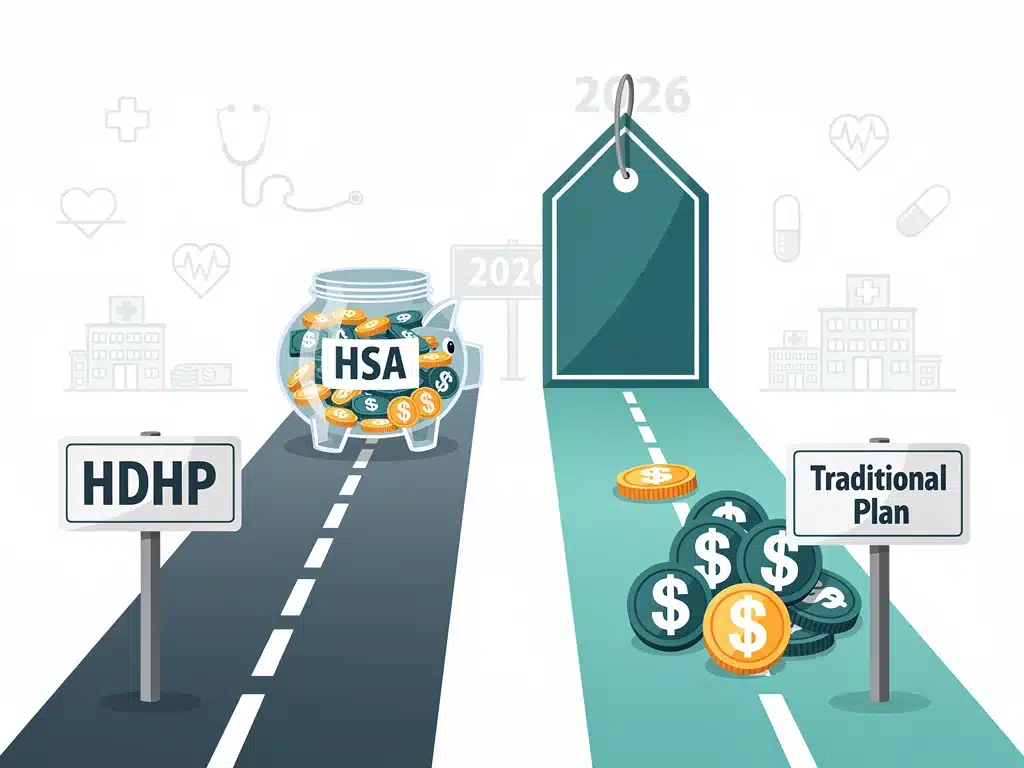
Selecting between High-Deductible Health Plans (HDHPs) paired with HSAs and traditional coverage is one of the most critical healthcare decisions for American households in 2026.
Here is a direct breakdown of how these plans compare, their core pros and cons, and how to determine which option fits your financial and medical needs.
Anúncios
Understanding High-Deductible Health Plans (HDHPs) in 2026
High-Deductible Health Plans (HDHPs) are becoming an increasingly prevalent choice for many individuals and families seeking health coverage.
These plans are characterized by lower monthly premiums but require policyholders to pay a higher deductible before insurance coverage fully kicks in.
The primary appeal of HDHPs often lies in their affordability on a month-to-month basis, making them an attractive option for those who are generally healthy and anticipate minimal medical expenses.
Anúncios
However, this cost-saving comes with the caveat of significant out-of-pocket responsibility if unexpected health issues arise.
In 2026, the specific thresholds for what constitutes a ‘high deductible’ will be adjusted, reflecting inflation and other economic factors.
Staying informed about these updated figures is essential for anyone considering an HDHP as their primary health insurance solution.
The Strategic Advantage of Health Savings Accounts (HSAs)
A significant benefit of enrolling in an HDHP is the eligibility to open and contribute to a Health Savings Account (HSA). HSAs are tax-advantaged savings accounts that can be used to pay for qualified medical expenses, offering a triple tax advantage.
Contributions to an HSA are tax-deductible, the money grows tax-free, and withdrawals for qualified medical expenses are also tax-free.
This unique combination makes HSAs a powerful tool not just for current healthcare costs, but also for long-term health savings, including retirement healthcare expenses.
For 2026, new contribution limits for HSAs will be announced, typically increasing to keep pace with rising healthcare costs and inflation. Maximizing these contributions is a cornerstone of effective financial planning for those with HDHPs.
Pros of HDHPs with HSAs: Financial Flexibility and Control
One of the most compelling advantages of an HDHP paired with an HSA is the enhanced financial flexibility it offers.
Lower monthly premiums free up cash flow, which can then be directed into the HSA, investments, or other financial priorities.
This structure provides individuals with greater control over their healthcare spending.
By being more directly responsible for initial medical costs, consumers are often incentivized to seek out cost-effective care and engage more actively in managing their health.
The portability of HSAs is another significant pro; the account belongs to the individual, not the employer, meaning it moves with them even if they change jobs or retire.
This long-term ownership fosters a sense of financial security regarding future healthcare needs.
Tax Advantages and Investment Potential
The triple tax advantage of HSAs is unparalleled in the realm of personal finance.
Contributions reduce taxable income, earnings grow without taxation, and qualified withdrawals are entirely tax-free, creating a highly efficient savings vehicle.
Beyond simply saving for medical expenses, HSAs can be invested, allowing the funds to grow significantly over time, much like a 401(k) or IRA.
This investment potential transforms an HSA from a mere spending account into a powerful retirement savings tool, specifically for healthcare costs.
Empowering Consumer Choice in Healthcare
HDHPs with HSAs encourage a more engaged approach to healthcare consumption. Patients become more aware of the costs associated with different treatments and services, leading to more informed decisions.
This increased transparency can drive patients to compare prices for procedures, medications, and doctor visits, fostering a more competitive healthcare market.
Ultimately, this empowers individuals to be proactive managers of their health and healthcare budget.
Cons of HDHPs with HSAs: Potential Financial Strain and Access Concerns
Despite their advantages, HDHPs with HSAs are not without their drawbacks, particularly for certain demographics.
The high deductible can pose a significant financial burden for individuals or families facing unexpected or chronic health issues.
Having to pay thousands of dollars out-of-pocket before insurance coverage fully activates can lead to delaying necessary medical care, which can have adverse health outcomes and potentially higher costs in the long run.
This is a critical consideration for those with limited emergency savings.
Access to certain types of care might also be perceived as limited if individuals are hesitant to incur high costs.
This can be a deterrent for preventative services or early intervention, even though many HDHPs cover preventative care at no additional cost.
High Upfront Costs and Emergency Preparedness
The requirement to meet a high deductible before comprehensive coverage begins demands a robust emergency fund specifically for healthcare.
Without adequate savings in an HSA or other accounts, a major health event can lead to substantial medical debt.
For individuals living paycheck to paycheck, accumulating sufficient HSA funds can be challenging, leaving them vulnerable to significant out-of-pocket expenses.
This financial risk is a major deterrent for many considering HDHPs, despite the lower premiums.
Navigating Complex Healthcare Decisions
While consumer empowerment is a pro, it also means individuals must navigate complex healthcare decisions on their own.
Researching costs, understanding billing, and coordinating care can be time-consuming and overwhelming for many.
The responsibility to manage an HSA, including investment choices and tracking qualified expenses, adds another layer of financial literacy required.
Not everyone is equipped or willing to undertake this level of involvement in their healthcare and financial planning.
Comparing HDHPs with Traditional Health Plans in 2026
When Analyzing the Pros and Cons of High-Deductible Health Plans (HDHPs) with HSAs in 2026 (COMPARISON/ANALYSIS), it’s crucial to contrast them with traditional health insurance options.
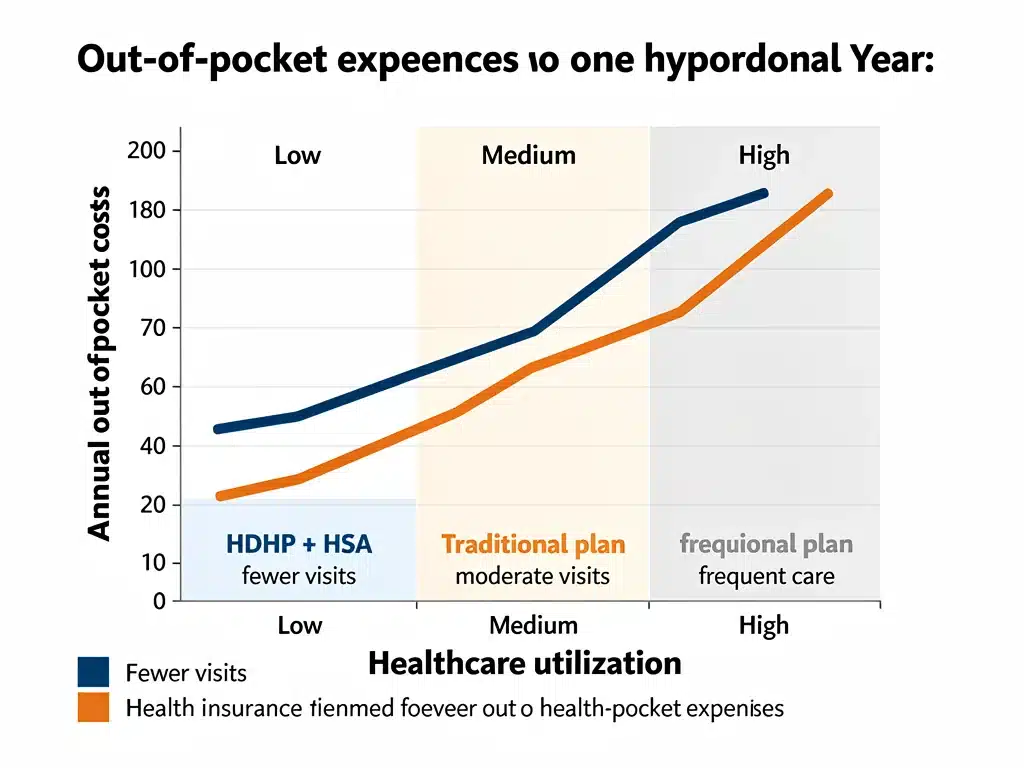
Traditional plans, such as PPOs or HMOs, generally feature higher monthly premiums but lower deductibles and out-of-pocket maximums.
For individuals with chronic conditions or those who anticipate frequent medical visits, traditional plans often provide more predictable costs and less upfront financial burden.
They offer a sense of security that many prefer, even with the higher premium payments.
The choice between an HDHP and a traditional plan ultimately boils down to an individual’s health status, financial situation, and risk tolerance. There is no one-size-fits-all solution in healthcare coverage.
Eligibility and Contribution Limits for HSAs in 2026
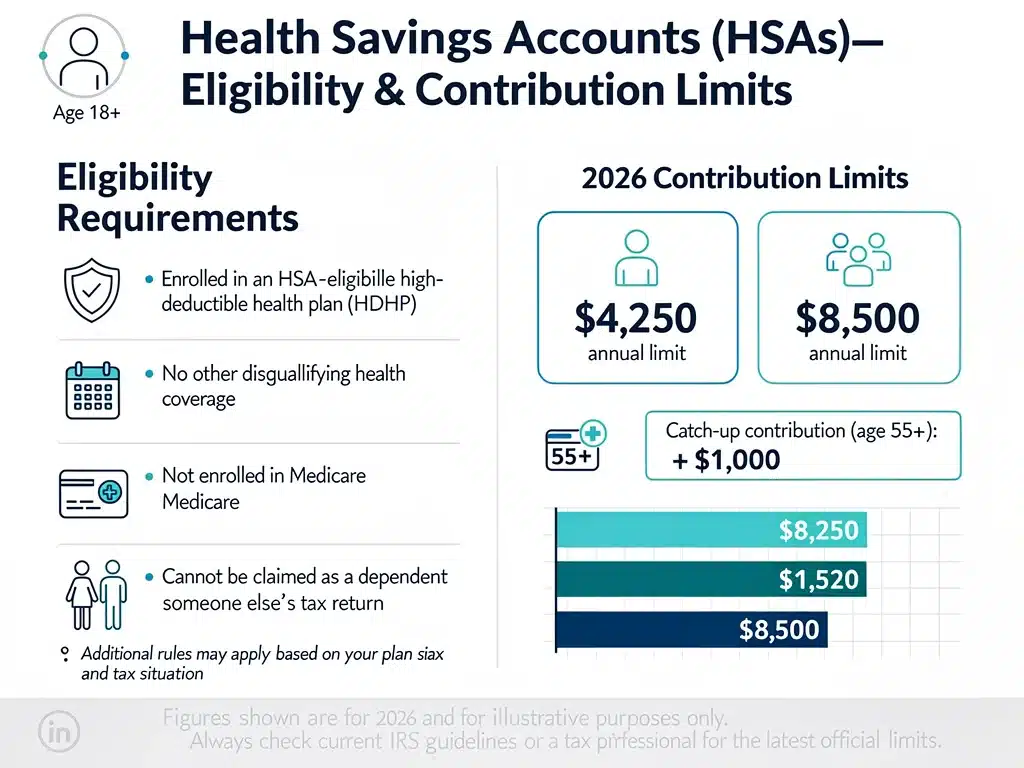
To be eligible for an HSA in 2026, an individual must be covered under an HDHP and not be enrolled in any other non-HDHP health coverage, such as Medicare.
They also cannot be claimed as a dependent on someone else’s tax return.
The IRS sets annual limits on how much can be contributed to an HSA, which typically increase each year.
These limits apply to both individual and family coverage, with an additional catch-up contribution allowed for those aged 55 and over.
Employers can also contribute to an employee’s HSA, and these contributions count towards the annual limit. Understanding and maximizing these limits is key to leveraging the full financial benefits of an HSA.
Strategic Considerations for Choosing a Plan in 2026
When selecting a health plan for 2026, a thorough self-assessment of your health and financial situation is indispensable.
Consider your typical annual medical expenses, your comfort level with financial risk, and your ability to save for unexpected costs.
For young, healthy individuals with sufficient savings, an HDHP with an HSA can be a powerful tool for building wealth and saving for future healthcare needs. It offers a balance of lower premiums and significant tax advantages.
Conversely, those with ongoing medical needs, limited savings, or a preference for predictable expenses might find traditional plans more suitable. The goal is to find a plan that aligns with both your health requirements and financial capacity.
The Evolving Landscape of Healthcare Benefits
The healthcare landscape is continuously evolving, driven by legislative changes, technological advancements, and economic pressures.
Keeping abreast of these changes is vital for making informed decisions about health insurance.
As 2026 approaches, it is expected that there will be ongoing discussions and potential adjustments to healthcare policies and regulations. These changes can directly impact the attractiveness and viability of different health plan options.
Staying informed through reliable sources, consulting with financial advisors, and reviewing plan documents thoroughly will ensure that individuals and families are well-prepared to choose the best healthcare coverage for their specific circumstances.
| Key Aspect | Description |
|---|---|
| Lower Premiums | HDHPs typically offer more affordable monthly payments. |
| HSA Tax Benefits | Contributions, growth, and qualified withdrawals are all tax-free. |
| High Deductible Risk | Significant out-of-pocket costs before insurance coverage begins. |
| Investment Potential | HSAs can be invested, growing funds for future healthcare needs. |
Frequently Asked Questions About HDHPs and HSAs in 2026
For 2026, an HDHP is typically defined by specific minimum deductible and maximum out-of-pocket limits set by the IRS. These thresholds are expected to be updated to reflect inflation, making it crucial to verify the latest figures for eligibility. HDHPs generally have lower premiums but require higher out-of-pocket spending before full coverage.
To contribute to an HSA in 2026, you must be covered under an HDHP, have no other health coverage (with some exceptions), and not be enrolled in Medicare. You also cannot be claimed as a dependent on someone else’s tax return. These criteria ensure that HSAs are paired with qualifying high-deductible plans.
HSAs offer a triple tax advantage: contributions are tax-deductible (or pre-tax if through an employer), the account grows tax-free, and withdrawals for qualified medical expenses are tax-free. This makes HSAs an incredibly efficient savings vehicle for healthcare costs, both current and future, including retirement.
The primary risk of an HDHP is the potential for significant out-of-pocket expenses if a serious illness or injury occurs before the deductible is met. This can create financial strain for individuals without adequate savings in their HSA or an emergency fund, potentially leading to delayed care or medical debt.
HDHPs typically feature lower premiums but higher deductibles, while traditional plans have higher premiums but lower deductibles and more predictable co-pays. HDHPs with HSAs suit those who are healthy and can save, while traditional plans may be better for individuals with chronic conditions or those preferring upfront cost predictability.
Looking Ahead: Strategic Healthcare Planning for 2026
The ongoing analysis of Analyzing the Pros and Cons of High-Deductible Health Plans (HDHPs) with HSAs in 2026 underscores the need for proactive engagement with healthcare choices.
As economic conditions and regulatory frameworks continue to shift, understanding the nuances of these plans becomes even more critical.
Individuals should prioritize assessing their personal health needs, financial capacity, and risk tolerance to align with the most suitable plan.
The decision between an HDHP with an HSA and a traditional plan is not static; it requires continuous evaluation to ensure optimal coverage and financial well-being.
To better understand eligibility criteria, tax-free savings options, and plan structures, you can explore official guidance on HealthCare.gov High Deductible Health Plans.
Staying informed about updated IRS guidelines, contribution limits, and market trends will empower consumers to make the best healthcare decisions for themselves and their families in 2026 and beyond, ensuring access to quality care without undue financial burden.